
Key InformationWellbeing
Text
Mental Health and Wellbeing
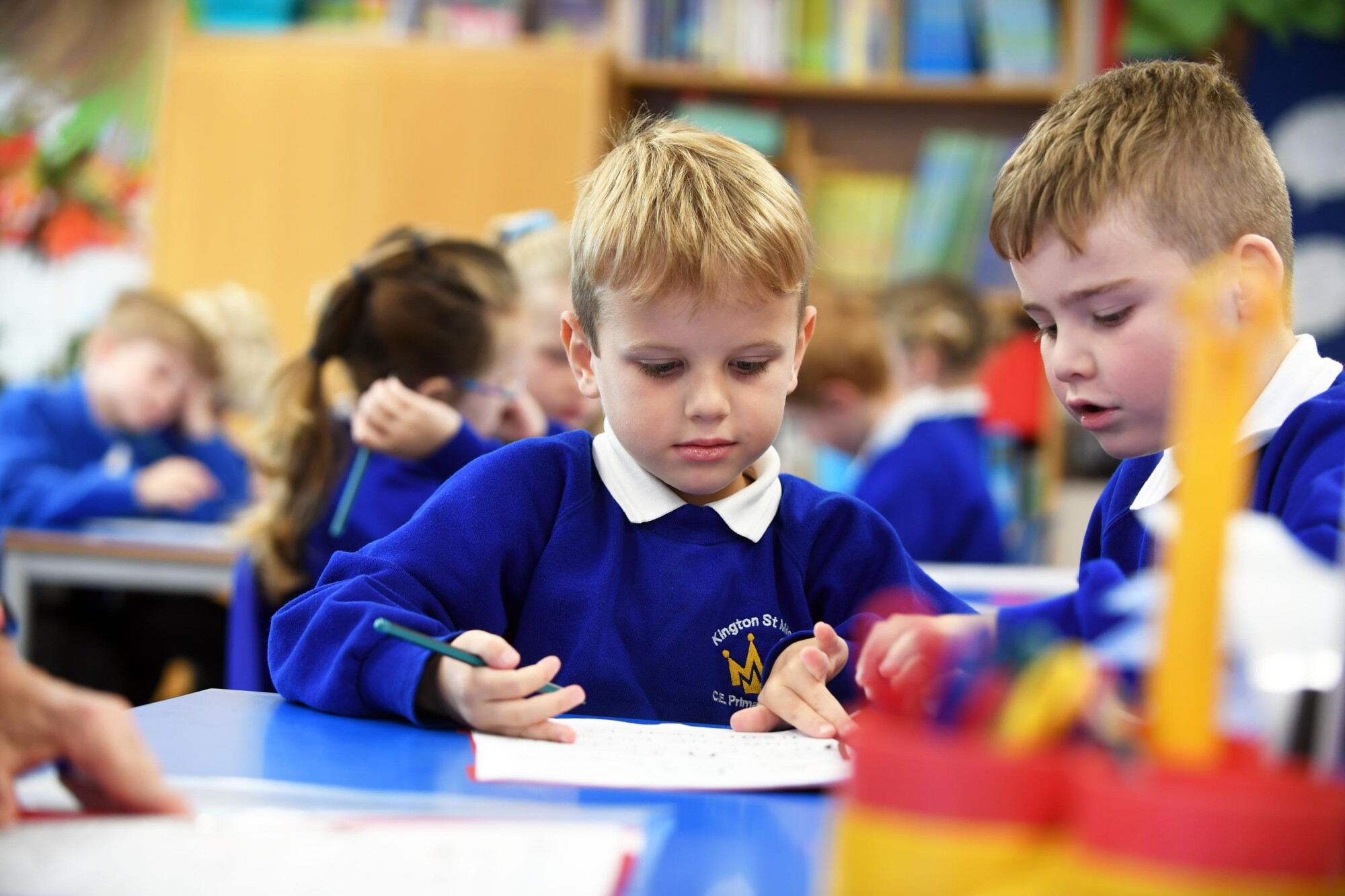
At Kington St Michael Primary School our aim is to care for and develop each child educationally, emotionally, spiritually, morally and physically. As well as caring for their education, we also care for their mental health and wellbeing and feel that it is essential to provide children with information to enable them to make life-long, well-informed decisions about their diet and health. In 2025, we won a Healthy Schools Bronze Award, an achievement which we are proud of!
We are committed to promoting the positive mental health and wellbeing of every member of our school community, recognising that mental health is as important as physical health. Children’s mental health and overall wellbeing have a significant impact on their learning, achievement and ability to thrive.
A key part of our role is to support children in managing change and stress, enabling them to reach their full potential and access help when needed. We aim to equip children with the knowledge and skills to maintain positive mental health, understand the factors that can affect it, reduce stigma surrounding mental health issues, and know where to seek support.
Positive wellbeing is promoted through the curriculum and all aspects of school life. Through a carefully planned PSHE programme, pupils develop the knowledge, skills and understanding needed to lead confident, healthy and independent lives, and to become resilient, informed and responsible citizens.
What do we do to support Emotional WellBeing and Mental Health?
A caring, supportive environment:
Kington St Michael Primary School is committed to creating a happy, caring and nurturing environment where every child feels valued. Alongside high-quality learning, we promote a positive, inclusive ethos in which children can thrive and achieve their personal best.
PSHE at the heart of our curriculum:
Personal, Social and Health Education (PSHE) is central to our whole-school curriculum. It helps pupils understand and manage feelings, cope with change, build resilience, form positive relationships and make informed choices. Through PSHE, pupils learn about identity, emotions, managing puberty, transitions, and what it means to be physically, socially and emotionally healthy.
ELSA (Emotional Literacy Support) provision:
Our trained ELSA practitioner provides tailored support for pupils experiencing challenges such as anxiety, bereavement, domestic difficulties or other emotional needs. Children receive 1:1 or small-group sessions in our dedicated ‘Doves’ nurture room. Support is personalised so each child’s developmental and emotional needs sit at the heart of their care.
Physical wellbeing and active lifestyles:
In line with the National Curriculum, every child takes part in a minimum of two hours of physical education each week, helping to promote physical fitness, teamwork and the link between physical activity and emotional wellbeing.
Promoting healthy eating:
We encourage healthy food choices throughout the school. Children learn about balanced diets in PSHE and science, are invited to try a variety of foods, and benefit from nutritious, balanced school meals. We also encourage children to bring healthy lunch boxes and snacks.
Raising awareness of mental health:
The school marks World Mental Health Day and Mental Health Awareness Week each year, planning activities for the whole school community to help normalise conversations around wellbeing and promote understanding.
Worry boxes in every class:
Each class has a ‘worry box’ where pupils can share concerns privately with their teacher, helping children feel heard and supported.
Support from external agencies:
When a child requires additional help, we work closely with a range of external professionals to ensure pupils and families receive the right support at the right time.
Supporting staff wellbeing:
Staff have access to a wellbeing box and a book-swap space in the staff room, alongside a supportive professional culture that recognises the importance of positive mental health for all adults in school.
Monitoring pupil wellbeing:
Pupils in Years 4–6 take part in the Wiltshire Mental Health and Wellbeing Survey, which helps the school understand emerging needs and tailor support effectively.